
Electric vehicles and hybrids are becoming increasingly popular, but many buyers don’t realize that insuring these vehicles can be different from insuring traditional gas-powered cars. From higher premiums to specialized coverage needs, here’s what EV and hybrid owners need to know about auto insurance.

Why EVs Often Cost More to Insure
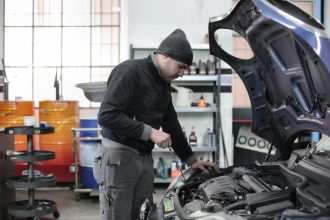
Electric vehicles typically cost 10-25% more to insure than comparable gas-powered vehicles. Several factors drive this premium difference. The purchase price of EVs is often higher than equivalent conventional vehicles, which means higher replacement costs. Repair costs are significantly higher because EV-specific components like battery packs and electric motors require specialized training and equipment to repair.
Fewer repair shops are equipped to work on EVs, creating less competition and higher labor rates. Additionally, EV parts may need to be sourced from the manufacturer, leading to longer wait times and higher costs. Even minor fender damage can be expensive if it involves sensors, cameras, or other advanced technology embedded throughout the vehicle.
Battery Coverage Considerations
The battery pack is the most expensive component of an electric vehicle, often worth $10,000 to $20,000 or more. Standard auto insurance covers battery damage from accidents and covered events. However, battery degradation from normal use isn’t covered by auto insurance — that falls under the manufacturer’s warranty.
If your EV’s battery is damaged in a minor accident, the cost to replace it could exceed the value of the vehicle, leading the insurer to total it. This makes comprehensive and collision coverage particularly important for EV owners.
Potential Insurance Savings
Despite higher base premiums, EV owners may qualify for certain savings. Some insurers offer green vehicle discounts for electric and hybrid vehicles. Lower annual mileage, common among EV owners who use their vehicles primarily for commuting, can reduce premiums. And the advanced safety features standard on most EVs, including automatic emergency braking and lane keeping assist, can earn additional discounts.
Choosing the Right Insurer
Not all insurance companies have the same experience or pricing for electric vehicles. Some companies have developed specialized EV insurance products with better rates and coverage tailored to electric vehicle needs. Get quotes from multiple insurers and specifically ask about their EV experience and any special coverage options.
The Future of EV Insurance
As electric vehicles become more mainstream, insurance costs are expected to decrease. More repair shops will gain EV expertise, parts availability will improve, and insurers will have more data to accurately price EV risk. Early adopters may pay a premium, but the insurance market is adapting quickly to the growing EV fleet.