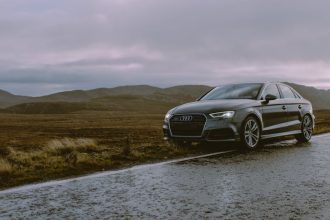

Comprehensive auto insurance covers your vehicle against damage from events that aren’t related to driving. From severe weather and falling trees to theft and vandalism, comprehensive coverage protects against the unexpected events that can damage or destroy your car.

While it’s technically optional coverage, comprehensive insurance provides protection that collision coverage alone cannot. Here’s a complete guide to understanding when and why you need it.
What Comprehensive Insurance Covers
Comprehensive insurance covers a wide range of non-collision events. The most common claims include theft of the vehicle, vandalism and malicious mischief, weather-related damage from hail, wind, floods, or hurricanes, fire damage, animal strikes (most commonly deer), falling objects such as tree branches or rocks, glass breakage including windshields, and civil disturbances or riots.
Essentially, if something damages your car and it wasn’t caused by a collision with another vehicle or object while driving, comprehensive coverage is what handles it.
How Comprehensive Claims Work
Like collision coverage, comprehensive insurance has a deductible that you pay before the insurance company covers the rest. Common deductible amounts range from $100 to $1,000. Many drivers choose a lower deductible for comprehensive than for collision because comprehensive claims tend to involve smaller amounts.
One important detail is that comprehensive claims generally don’t affect your insurance rates the same way collision or liability claims do. Since these events are typically outside your control, most insurers don’t penalize you for filing a comprehensive claim. However, multiple claims in a short period might raise a red flag.
Is Comprehensive Coverage Worth It?
Several factors determine whether comprehensive coverage is worth the cost. Consider your location — if you live in an area prone to hail, flooding, or high vehicle theft rates, comprehensive coverage becomes more valuable. The same applies if you park outside without a garage, which increases exposure to weather and theft risks.
Consider also the value of your vehicle. If your car is relatively new or valuable, comprehensive coverage provides important protection for a modest cost. Comprehensive premiums are typically lower than collision premiums, often running between $100 and $300 per year for most vehicles.
Comprehensive vs. Full Coverage
Many people use the term “full coverage” to mean they have both collision and comprehensive insurance in addition to liability coverage. However, “full coverage” isn’t an official insurance term, and even with these three types of coverage, you may still have gaps in your protection.
For truly comprehensive protection, you’ll also want to consider medical payments or personal injury protection, uninsured/underinsured motorist coverage, and roadside assistance. Your insurance agent can help you build a policy that provides the right level of protection for your situation and budget.
Tips for Saving on Comprehensive Coverage
You can reduce your comprehensive insurance costs by choosing a higher deductible, bundling with your homeowner’s or renter’s insurance, installing anti-theft devices in your vehicle, parking in a garage or secure area, and maintaining a clean claims history. Even small steps can lead to meaningful savings over time.